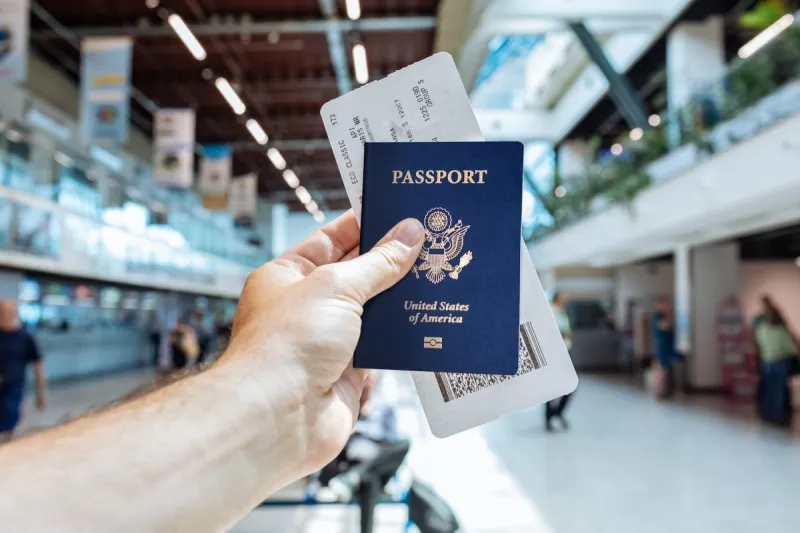
Traveling in 2025? Here Are the Changes You Need to Know About
If you’re planning a trip in 2025, you might be in for some surprises. Travel looks a little different these days—not in a bad way, just… updated. From new airport procedures and digital passports to smarter luggage and eco-conscious tourism trends, the way we travel continues to evolve at a rapid pace.

Whether you’re flying internationally, planning a cross-country road trip, or hopping on a train for a weekend getaway, it’s important to know what’s changed so you can travel smoothly, safely, and stress-free.
Here’s a complete breakdown of what’s new in 2025 travel—and what it means for you.
✈️ 1. Airports Are Getting Smarter (and More Automated)
If you haven’t flown in a while, you might be surprised at how high-tech airports have become.
Here’s what’s different:
- Biometric check-ins: Facial recognition and fingerprint scanning are replacing traditional IDs at many airports, speeding up security and boarding.
- Contactless everything: From check-in kiosks to bag drops and payment terminals, expect touchless systems throughout your journey.
- AI-powered security screening: Advanced scanners and AI tools are helping TSA and global security agencies identify risks faster—often with fewer pat-downs or bag searches.
💡 Tip: Register for programs like TSA PreCheck, CLEAR, or Global Entry to save time and skip long lines.
🌐 2. Digital IDs and ePassports Are Here
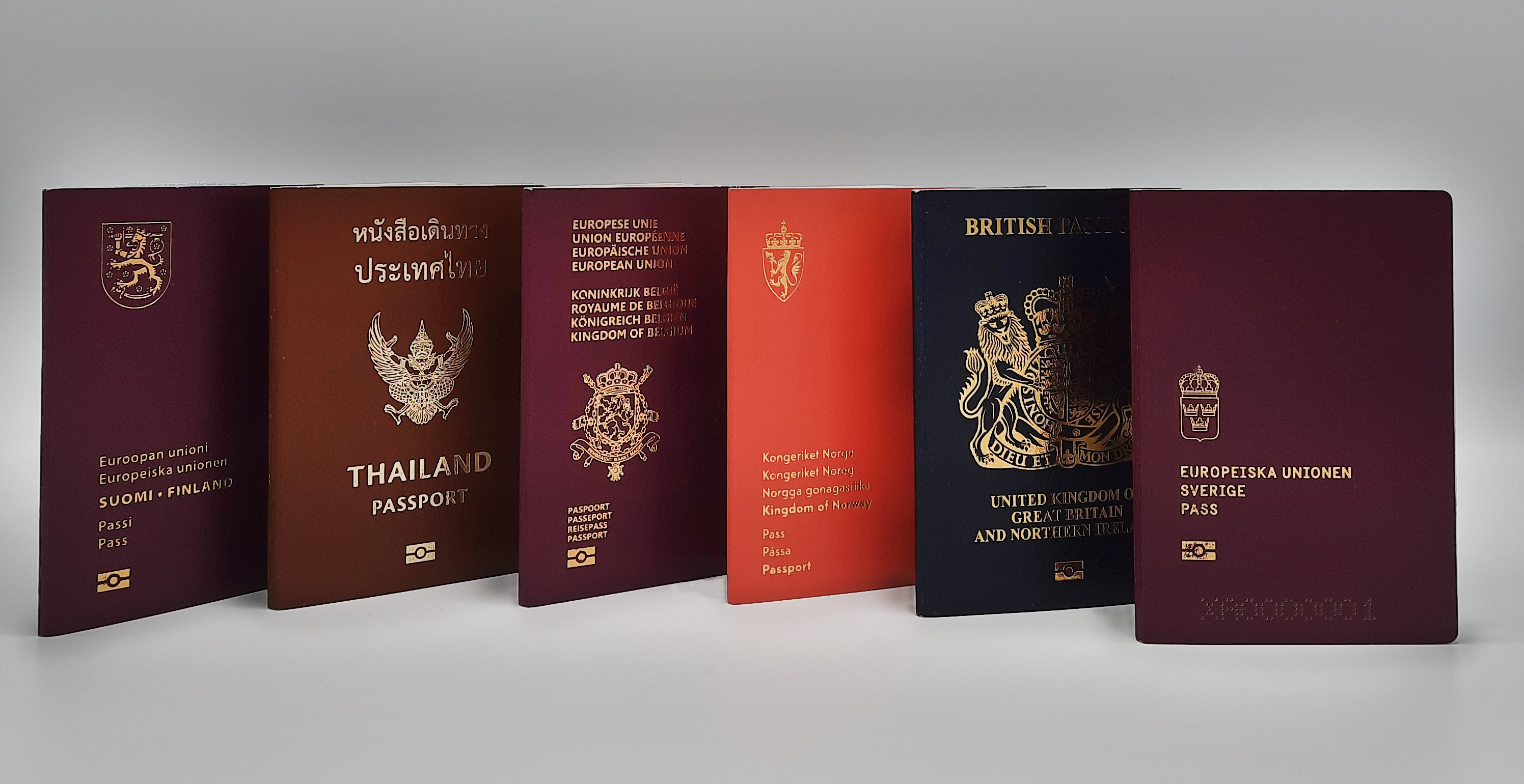
Your phone might now be all you need to fly. Several countries and U.S. states are now rolling out digital driver’s licenses and ePassports.
What you need to know:
- You can store your ID in your Apple Wallet or Google Wallet in many regions.
- Digital passports are being tested by the EU and select countries for faster immigration.
- These IDs are encrypted and secure, but make sure your phone is charged!
🔋 Always carry a physical backup of your ID or passport just in case—some places still require it.
🧳 3. Luggage Is Getting Smarter (Yes, Really)
Lost luggage? Not in 2025. Smart suitcases are now more common and easier to track than ever before.
Features of modern luggage:
- Built-in GPS tracking so you can find your bag anywhere
- Digital locks you control from your phone
- Built-in USB chargers for powering devices
- Self-weighing handles to avoid overweight bag fees
✈️ Airlines are also improving luggage tracking through baggage claim—so you’ll often get alerts when your bag hits the carousel.
🌱 4. Sustainable Travel Is No Longer Optional

Travelers in 2025 are more conscious about their footprint—and so are airlines, hotels, and tour companies. Eco-travel isn’t just a trend anymore—it’s the norm.
Changes in sustainable travel:
- Airlines are investing in Sustainable Aviation Fuel (SAF) to cut carbon emissions.
- Many hotels now have green certifications, using solar power, water-saving fixtures, and locally sourced products.
- Some destinations are now charging eco-tourism fees to fund preservation efforts.
🌍 Look for eco-certifications like LEED, Green Key, or EarthCheck when booking hotels.
📲 5. Travel Apps Are Smarter and More Essential Than Ever
Your smartphone is your ultimate travel tool in 2025. With AI and real-time data, travel apps have gotten a serious upgrade.
Apps you’ll want this year:
- Hopper or Google Flights: for AI-powered flight tracking and predictions
- TripIt or Wanderlog: to organize all your bookings and reservations in one place
- Airalo or Nomad: for instant eSIMs when traveling internationally
- PackPoint: builds customized packing lists based on destination and weather
📶 Bonus: eSIMs make getting local data abroad super easy—no more airport SIM hunts!
🧾 6. Travel Requirements and Health Protocols Are More Standardized

While the pandemic is behind us, its influence on travel isn’t gone. Most countries have settled into clearer, more consistent entry requirements.
In 2025:
- Digital health records are often integrated into travel documents.
- Some destinations require proof of routine vaccinations, depending on where you’re going.
- ETIAS (European Travel Information and Authorization System) is now in place for U.S. travelers visiting Europe—similar to an ESTA for the U.S.
✅ Always check entry requirements on official government or airline websites before you travel—rules change quickly.
👩💻 7. Remote Work Travel Is Still Going Strong
Work-from-anywhere lifestyles are still thriving in 2025. And now, more destinations are making it easier than ever for digital nomads to settle in temporarily.
Popular perks:
- Remote work visas in countries like Portugal, Barbados, and Costa Rica
- Coworking and coliving spaces in beach towns and major cities
- Faster global internet coverage (thanks, Starlink!)
🌴 Bonus: Many countries now offer tax breaks or incentives to remote workers who stay 3–12 months.
💸 8. Travel Is More Expensive—But Deals Still Exist

Inflation, fuel prices, and increased demand have driven travel prices up. Flights, hotel stays, and even car rentals have seen price jumps.
But here’s how to save:
- Book early—flights are cheapest 2–3 months out
- Be flexible with your dates and destinations
- Use tools like Skyscanner, Going (Scott’s Cheap Flights), and Kayak Explore to spot deals
- Sign up for airline loyalty programs—many offer free upgrades, checked bags, or discounts
🤑 Want to travel on points? 2025 credit card rewards are more versatile than ever—combine with airlines, hotels, or cash back.
❓ FAQs: What Travelers Are Asking in 2025
✈️ Are digital passports accepted everywhere?
Not yet. While some countries (like Finland and the Netherlands) have begun rolling out pilot programs, you’ll still need a physical passport for most international travel in 2025.
📶 What’s the best way to stay connected abroad?
eSIMs are the easiest, fastest way to get mobile data. No more swapping physical SIM cards—just download a data plan before or after arrival through apps like Airalo, Nomad, or Holafly.
🧳 Is travel insurance still necessary?
Absolutely. With flight cancellations, baggage delays, and health uncertainties still happening, travel insurance is more relevant than ever. Look for plans that include:
- Trip cancellation
- Emergency medical
- COVID-related coverage
- Lost or delayed luggage
🌎 Do I need a visa to visit Europe in 2025?
Yes—for Americans and other non-EU travelers, a new system called ETIAS requires travelers to apply online before entering the Schengen zone. It’s quick and affordable (about €7) but mandatory.
🧼 Do airlines still have health protocols in place?
Most major airlines now follow standard sanitization and filtration protocols. You’ll still find:
- HEPA-filtered air systems
- Optional masks on most flights
- Wipes available onboard
🏁 Final Thoughts: The Future of Travel Is Here—and It’s Pretty Awesome
Traveling in 2025 comes with a new set of tools, tech, and expectations—but also some pretty exciting upgrades. With biometric check-ins, smarter packing, seamless connectivity, and destinations welcoming eco-conscious travelers, this is one of the most convenient and rewarding times to explore the world.
Sure, prices may be a little higher, and yes, there are more digital systems to navigate—but in return, you get faster boarding, more sustainable choices, and better travel experiences overall.
So whether you’re planning a long-awaited overseas vacation, a spontaneous weekend trip, or a work-from-abroad lifestyle, knowing what’s new puts you ahead of the game.