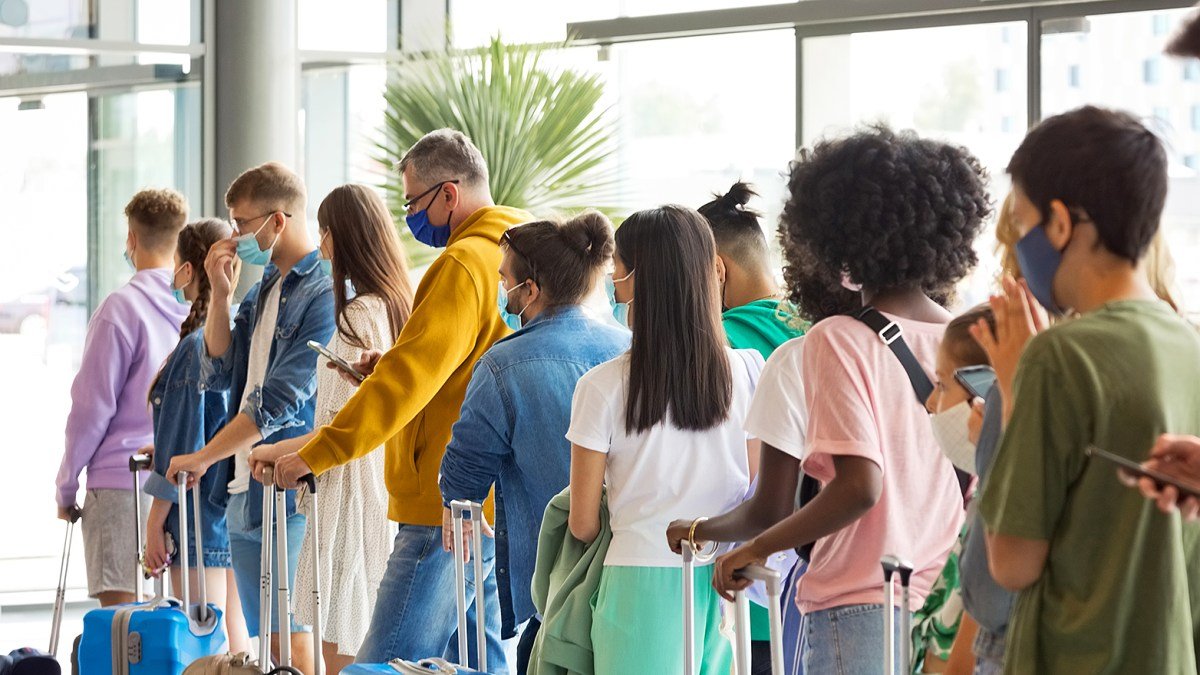
If you’re getting ready for a trip and have heard something about “mpox” in the news or at your destination, you might be wondering: Should I be worried? Is this something I need to plan for? The short answer is: mpox (formerly known as monkeypox) is something to stay aware of, not panic over.
The good news? The risk of contracting mpox while traveling is low for most people—but being informed, prepared, and cautious is always a smart move, especially when heading to regions experiencing outbreaks or higher case numbers.

Let’s break it down so you know what mpox is, how it spreads, how to protect yourself while traveling, and whether or not it should affect your trip plans.
🧬 First Things First: What Exactly Is Mpox?
Mpox is a viral illness caused by the monkeypox virus, which belongs to the same family of viruses as smallpox. Although it shares some similarities with smallpox, mpox is typically milder and far less deadly.
Common mpox symptoms include:
- Fever and chills
- Headache and fatigue
- Muscle aches and back pain
- Swollen lymph nodes
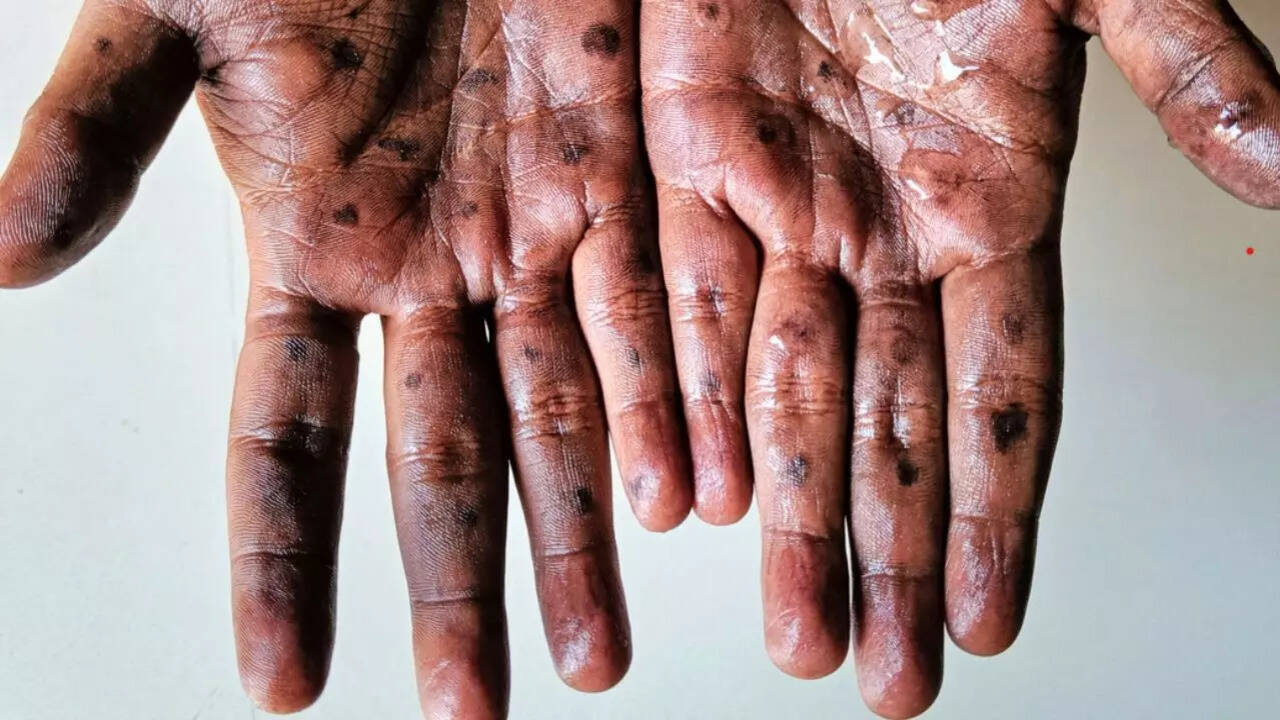
- A rash that can appear on the face, hands, genitals, or other body parts
- Lesions that may be painful or itchy
The illness usually lasts 2 to 4 weeks, and most people recover without needing hospitalization.
🧠 Fun fact: The name “monkeypox” was officially changed to “mpox” in 2022 by the World Health Organization to avoid stigma and confusion.
🌍 Where Is Mpox a Concern?
Mpox was traditionally found in certain parts of Central and West Africa, where it occasionally spread to humans through contact with wild animals. However, since 2022, there have been global outbreaks, with clusters of cases reported in countries where mpox hadn’t previously been seen—including Europe, North America, Asia, and Australia.
As of 2025, sporadic outbreaks still occur, but case numbers are generally low and often isolated.
✈️ If you’re traveling internationally, especially to countries that have reported recent mpox outbreaks, it’s smart to check for health alerts through your country’s health department or the CDC and WHO websites.
🤔 How Does Mpox Spread?
Mpox spreads through close, often prolonged contact with an infected person or animal.
Common ways mpox spreads:
- Skin-to-skin contact with rashes, scabs, or body fluids
- Respiratory droplets during extended face-to-face contact (like kissing or cuddling)
- Touching contaminated objects such as bedding, towels, or clothing
- In rare cases, through contact with infected animals
The virus does not spread easily in casual settings, like walking past someone or sitting in the same room briefly.
🧴 Practicing basic hygiene—like washing your hands and avoiding close contact with people who are visibly unwell—is your best defense.
💉 Is There a Vaccine for Mpox?
Yes! There’s a vaccine called JYNNEOS (also known as Imvamune or Imvanex in some countries) that was originally developed for smallpox but is also effective against mpox.
Who should get the vaccine?
- People in high-risk groups, including those with close contact to confirmed cases
- Travelers heading to regions with active outbreaks
- Healthcare or laboratory workers dealing with orthopoxviruses
💉 Most people don’t need to get vaccinated unless advised by a healthcare provider or public health authority.
🧳 Mpox & Travel: What You Should Know Before You Go

So, how does mpox affect your travel plans? For most people, it likely won’t change much, but staying informed and taking precautions is a smart move—especially if you’re heading somewhere with known cases.
Before you travel:
- Check health advisories for your destination (via CDC, WHO, or local health agencies)
- Look into the availability of the mpox vaccine if you’re in a high-risk group
- Pack personal hygiene items (like hand sanitizer, wipes, etc.)
- Get travel insurance that covers medical care in case you get sick abroad
While you’re traveling:
- Avoid close physical contact with people showing signs of illness (especially rashes)
- Don’t share bedding, towels, or personal items with others
- Practice good hand hygiene—especially before eating or after using public transport
- If you feel sick, seek medical care immediately and avoid contact with others
🌡️ If you develop a fever, rash, or other mpox symptoms during or after your trip, isolate yourself and get tested as soon as possible.
🏥 What If You Get Mpox While Abroad?
If you do contract mpox while traveling, stay calm—it’s treatable, and most cases are mild.
Here’s what to do:
- Self-isolate immediately to avoid spreading the virus
- Contact local health authorities or your embassy for guidance
- Seek medical care at a local hospital or clinic familiar with mpox
- Avoid travel or public transportation until you’ve recovered
You might need to extend your trip for recovery and quarantine, so make sure your travel insurance covers trip delays, cancellations, and medical expenses.
🛑 Important: Some countries may have quarantine requirements for people with mpox, so be prepared for temporary isolation if diagnosed.
💡 Travel Tips to Stay Safe from Mpox

Here are some practical, easy-to-follow tips to reduce your risk while traveling:
✅ Wash your hands often with soap and water or hand sanitizer
✅ Avoid close physical contact with people showing rash-like symptoms
✅ Skip crowded parties or high-contact events if cases are reported locally
✅ Don’t handle wild animals or exotic pets, especially in rural or unfamiliar areas
✅ Clean and disinfect shared spaces like hotel bathrooms or hostels
✅ Use condoms and barrier methods if sexually active abroad (there’s some evidence mpox can be sexually transmitted)
❓ FAQ: Mpox and Travel in 2025
❓ Do I need to cancel my trip because of mpox?
Probably not. Unless your destination is experiencing a major outbreak and travel warnings have been issued, there’s no need to cancel. Just stay informed and take precautions.
❓ Is mpox as dangerous as COVID-19?
No. While mpox can be uncomfortable and unpleasant, it is generally much milder than COVID-19, especially in healthy individuals. It also doesn’t spread as easily.
❓ Can mpox be spread through airplane travel?
It’s unlikely. Mpox typically requires prolonged close contact to spread, so casual interactions in places like airplanes, airports, or trains pose a very low risk.
❓ Is there a cure for mpox?
There’s no specific cure, but most people recover fully with rest, fluids, and supportive care. In severe cases, antiviral medications like Tecovirimat (TPOXX) may be used.
❓ Should I get vaccinated before traveling?
Most travelers do not need the mpox vaccine, unless you’re at higher risk or heading to a region with significant mpox activity. Talk to your doctor if unsure.
🧭 Final Thoughts: Should You Worry About Mpox When Traveling?
So, should you worry about mpox while traveling in 2025? Not really—but you should be aware. Mpox isn’t something that should derail your trip or cause panic. It’s a rare illness that spreads mainly through close contact and is highly preventable with basic hygiene and awareness.
Most travelers won’t encounter any risk at all, especially if they:
- Follow public health guidelines
- Check updates before traveling
- Avoid close physical contact with strangers
- Stay alert to symptoms
The key is to stay informed—not alarmed. With some simple precautions, you can travel confidently and safely, even in a world where new health concerns sometimes pop up.