
You’ve planned the trip, booked the flights, packed your bags—and then boom: you get hit with stomach cramps, nausea, and the awful realization that your dream vacation just got hijacked by food poisoning.
We’ve all heard the horror stories: a street taco in Mexico, a sketchy salad in Southeast Asia, or an undercooked kebab at a night market. The truth is, food poisoning is one of the most common and inconvenient travel issues—and while it’s rarely life-threatening, it can absolutely ruin your plans if you’re not prepared.

Whether you’re currently curled up on a questionable hostel mattress or just want to make sure you never end up there, this guide has you covered. Here’s everything you need to know about dealing with food poisoning on the road—how to spot it, treat it, recover fast, and avoid it altogether.
🤢 What Is Food Poisoning?
Food poisoning, also known as traveler’s diarrhea in milder cases, is caused by bacteria, viruses, or parasites that sneak into your system through contaminated food or water.
Common culprits include:
- E. coli
- Salmonella
- Norovirus
- Shigella
- Giardia
- Listeria
- Campylobacter
These pathogens can show up anywhere—but especially in places where food safety standards, hygiene, or water quality may not be up to par.
🧠 Symptoms: How Do You Know It’s Food Poisoning?
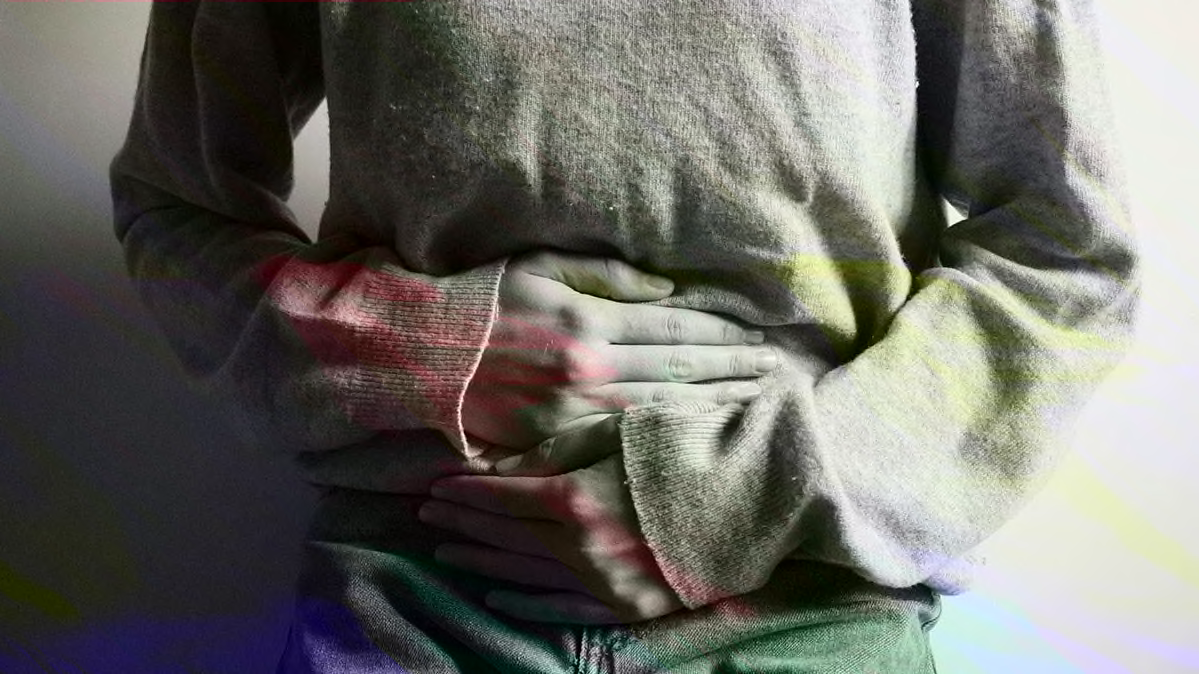
Symptoms can kick in anywhere from a few hours to a few days after you eat contaminated food or drink water that isn’t clean.
Watch for:
- Nausea and vomiting
- Diarrhea (watery, sometimes bloody)
- Stomach cramps
- Bloating and gas
- Fever and chills
- Weakness or fatigue
- Loss of appetite
Mild cases often pass in a day or two—but more serious cases can last up to a week or require medical care.
⚠️ If symptoms include blood in stool, high fever (over 102°F / 39°C), dehydration, or you can’t keep fluids down—see a doctor immediately.
🚑 What to Do If You Get Food Poisoning While Traveling

Getting sick abroad is stressful, but if you stay calm and follow these steps, you can recover quickly and avoid a full trip meltdown.
1. Hydrate, hydrate, hydrate
Diarrhea and vomiting can cause rapid fluid loss, so the first and most important step is to replenish water and electrolytes.
- Sip bottled or boiled water slowly
- Use oral rehydration salts (ORS)—they’re available at most pharmacies worldwide
- Coconut water, broth, and electrolyte drinks (like Gatorade) also help
💡 Tip: Keep a few packets of ORS in your travel first aid kit at all times.
2. Rest as much as possible
Your body needs time and energy to fight off whatever’s messing with your system. Cancel your plans, stay in your room, and let yourself sleep, nap, and recover.
3. Eat bland foods (when you’re ready)
Once your stomach starts to settle, ease back into eating with the BRAT diet:
- Bananas
- Rice
- Applesauce
- Toast
Also helpful: plain crackers, mashed potatoes, and boiled carrots. Avoid dairy, spicy food, alcohol, and greasy meals until you’re fully back to normal.
4. Take over-the-counter meds—cautiously
Depending on your symptoms, you may want to take:
- Loperamide (Imodium): Slows diarrhea (best for non-bloody, mild cases)
- Pepto-Bismol or activated charcoal: Helps with nausea and upset stomach
- Antacids or ginger chews: Can calm mild indigestion or queasiness
⚠️ Important: Don’t use anti-diarrheal medications if your diarrhea is bloody or you have a high fever—you could trap the infection in your body.
5. Seek medical help if needed
Don’t hesitate to go to a clinic or hospital if:
- You’re extremely dehydrated (dizzy, lightheaded, dry mouth)
- You’ve had diarrhea for more than 2–3 days
- You’re unable to eat or drink without vomiting
- There’s blood in your stool or vomit
Travel insurance often covers clinic visits and prescriptions abroad. Save receipts and documents just in case.
🧳 How to Avoid Food Poisoning While Traveling

Avoiding food poisoning isn’t about paranoia—it’s about making smart, low-effort choices that reduce your risk without robbing the joy of trying new things.
1. Be smart about street food
Street food is one of the best parts of travel—but it pays to choose wisely.
- Go where locals are lining up (fresh turnover = fresher food)
- Avoid stands with flies, dirty cooking surfaces, or lukewarm dishes
- Watch the food being made—hot and sizzling is good, pre-cooked and sitting out is not
2. Drink safe water only
In many countries, tap water isn’t safe to drink. Always go for:
- Bottled water with sealed caps
- Boiled or UV-treated water
- Water purified with portable filters or iodine tablets
Also:
- Brush your teeth with bottled water
- Skip ice cubes unless you’re sure they’re made from purified water
3. Wash your hands. All. The. Time.
Hand hygiene is one of the easiest ways to avoid getting sick. Carry a small bottle of hand sanitizer and use it:
- Before eating
- After handling money or public transit
- After bathroom breaks
4. Be cautious with raw foods
In places with questionable water quality, skip raw veggies and salads, which may have been rinsed in contaminated water.
Same goes for:
- Raw seafood
- Undercooked meat
- Unpasteurized dairy
If in doubt, ask for your food thoroughly cooked and served hot.
5. Trust your gut (and your nose)
If something smells funky or tastes off—don’t eat it. Your instincts are better than you think.
🧠 Pro tip: It’s not rude to refuse food that seems risky. Your health comes first.
💬 FAQ: Food Poisoning While Traveling
❓ Is food poisoning always from food?
Not always! Sometimes, contaminated water or poor hygiene (like unwashed hands or dirty cutlery) is to blame. That’s why water safety and handwashing are key.
❓ Can I travel if I’m recovering from food poisoning?
If your symptoms have eased and you’re staying hydrated, it’s usually safe to continue traveling. Just take it slow and stick to bland food and fluids for a few days.
❓ Should I take antibiotics for food poisoning?
Only if prescribed. Some cases (especially bacterial infections) may require antibiotics, but many mild cases resolve on their own. Don’t self-medicate.
❓ What if I get sick on a flight?
Tell a flight attendant right away. They can offer water, electrolyte packets, and even help you lie down. Once you land, head to the nearest clinic if symptoms persist.
❓ How long does food poisoning last?
Mild cases usually clear up in 1–3 days, but some can linger for up to a week. The key is to stay hydrated and listen to your body.
🧭 Final Thoughts: Don’t Let Food Poisoning Derail Your Adventure

Nobody wants to get sick while traveling—but if it happens, you’ll be glad you’re prepared.
The best defense against food poisoning is a mix of smart choices and quick action. Know the warning signs, carry a mini health kit, stay cautious about water and raw foods, and keep your hands clean. If you do end up with a stomach bug, rest, hydrate, and be gentle with yourself—it’s not the end of the trip (even if it feels like it for a day or two).
Remember: you’re not the first traveler to battle a bad street taco—and you definitely won’t be the last.