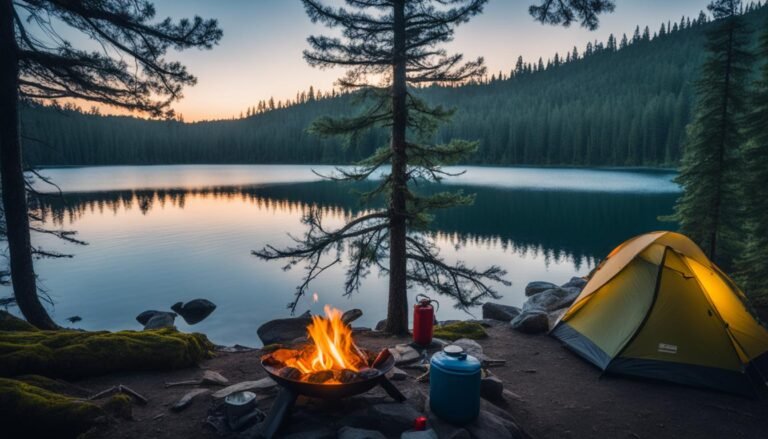
Heading out into the wilderness alone can be one of the most liberating and empowering experiences you’ll ever have. There’s something magical about disconnecting from the noise of everyday life and immersing yourself in nature—just you, the trail, and the sounds of the wild. But solo adventures come with unique challenges and risks that you shouldn’t ignore.

Whether you’re hiking, backpacking, or simply venturing deep into the woods for a day or two, being prepared can mean the difference between an unforgettable journey and a dangerous situation. That’s why we’ve gathered some of the best expert-backed tips to help you safely navigate the wilderness alone.
Here’s everything you need to know to get out there with confidence.
🧭 1. Plan Your Route Thoroughly—Then Share It
Before you even lace up your hiking boots, make sure you’ve mapped out your route in detail. That means:
- Identifying trailheads, waypoints, water sources, and potential hazards
- Downloading offline maps or carrying a paper topographic map
- Studying elevation changes and terrain
Once your plan is solid, share it with someone you trust. Let them know:
- Your exact route
- Expected check-in times
- When you plan to return
🚨 Pro Tip: If you’re delayed or injured, rescuers will use this info to track you. Apps like Garmin inReach, Life360, or AllTrails+ can help send location updates even without cell service.
🧰 2. Pack Light—But Smart

When you’re alone, there’s no one to split the gear with, so you need to pack light but also prepared for emergencies. Focus on essentials that serve multiple purposes and weigh your gear beforehand to avoid overloading.
Wilderness solo-packing must-haves:
- Navigation: map, compass, GPS device
- Shelter: lightweight tent, bivvy sack, or tarp
- Water: bottles, filtration system, or iodine tablets
- Fire-starting tools: waterproof matches, lighter, fire starter
- First aid kit: include blister care, bandages, and emergency meds
- Food: calorie-dense snacks, dehydrated meals, energy bars
- Extra layers: base layer, rain shell, warm hat, gloves
- Light source: headlamp + spare batteries
- Safety: knife, whistle, bear spray (if applicable)
- Power: portable phone charger or solar bank
🎒 Tip: Use the Ten Essentials checklist as your guide, then adapt it for your specific environment and weather.
🧠 3. Train Your Mind as Much as Your Body
Hiking solo requires mental resilience, not just physical stamina. You’ll need to stay calm under pressure, make clear decisions when tired, and trust your instincts.
Practice beforehand by:
- Taking solo day hikes before attempting overnight trips
- Learning basic survival skills like fire building, water purification, and first aid
- Studying local wildlife behavior (especially bears, snakes, or big cats)
If fear creeps in—which is totally normal—focus on controllable actions, like setting up camp, cooking, or checking your route. Don’t let panic take over.
🧘♂️ Mindfulness and meditation can help prepare you to handle solitude and stay centered during longer solo trips.
📡 4. Use Technology—But Don’t Rely on It

Apps and GPS devices are great tools, but batteries die and signals disappear. That’s why you should always carry analog backups and know how to use them.
Recommended:
- A paper map and traditional compass (and the knowledge to use them!)
- Preloaded offline GPS maps on your phone
- A satellite communicator like Garmin inReach Mini or Zoleo for SOS contact and location sharing
📵 Remember: The wilderness doesn’t care about your Wi-Fi. Tech can fail—skills can’t.
🏕️ 5. Choose Campsites Carefully
When you’re out there alone, your camp is your safety zone. Choose it wisely.
What to look for:
- Flat, dry ground
- Away from cliffs, rivers, or avalanche-prone zones
- Not under dead trees or unstable branches
- At least 200 feet from water sources to protect local wildlife
- Sheltered from wind but not in animal paths
Set up your tent before dark, and get used to listening to the natural sounds around you. At first, every twig snap may feel alarming, but with time, you’ll learn what’s normal.
🔥 If permitted, a small fire can be comforting and keep animals at a distance—but follow all fire safety rules and bans.
🐻 6. Be Wildlife Aware—Not Afraid
Encounters with wildlife are rare, but you should still be aware and prepared. Educate yourself about the specific animals in the region you’re exploring.
Safety basics:
- Make noise as you hike to avoid surprising animals
- Store food properly in bear canisters or bags (hang them if necessary)
- Never feed or approach wild animals—no matter how “cute” they seem
- Keep a safe distance and remain calm if you spot large wildlife
- Know what to do in the unlikely event of an aggressive animal
🐾 Most wild animals don’t want anything to do with you—respecting their space is the best way to stay safe.
⛑️ 7. Learn Basic First Aid & Emergency Skills

When you’re alone in the wild, you are your own first responder. Knowing what to do in an emergency can quite literally save your life.
Learn how to:
- Treat blisters, sprains, and minor wounds
- Manage dehydration, heat exhaustion, or hypothermia
- Administer CPR and stop bleeding
- Recognize signs of infection or severe allergic reactions
🚑 Consider taking a Wilderness First Aid (WFA) or Wilderness First Responder (WFR) course through organizations like NOLS or REI.
🗺️ 8. Trust Your Gut—but Respect the Environment
Your instincts matter in the wild. If something doesn’t feel right—whether it’s the trail, weather, or a noise—listen to your gut. Turn back if needed.
But also, respect the land:
- Practice Leave No Trace (LNT) principles
- Pack out everything you bring in
- Stay on established trails to protect local ecosystems
🌱 Traveling solo means you’re more in tune with nature—use that to deepen your connection to the wilderness, not just conquer it.
💬 FAQs: Solo Wilderness Travel
❓ Is it safe to go into the wilderness alone?
Yes, if you’re prepared. Solo wilderness travel comes with more risk, but with proper planning, equipment, and awareness, it can be very safe and deeply rewarding.
❓ What’s the biggest danger of going alone?
The biggest risk is injury or getting lost without a way to call for help. That’s why it’s critical to carry a satellite communicator and know your route thoroughly.
❓ What if I get scared at night?
That’s totally normal—many solo hikers feel nervous their first few nights. Focus on your camp routine, bring a book or journal, and remember: you’re safer than you feel.
❓ Should I bring a weapon?
In most cases, a weapon isn’t necessary. Bear spray is more effective (and legal) for wildlife protection. If you do choose to carry a knife or other defensive tool, make sure you’re trained in how to use it responsibly.
❓ What if I run out of water?
Never rely on finding water unless it’s marked and confirmed. Carry a water filter, purification tablets, and always fill up when you can. Learn to identify safe water sources like flowing streams or springs.
🏁 Final Thoughts: Solo in the Wild—An Experience Worth Every Step

Navigating the wilderness alone is more than just an outdoor challenge—it’s a personal journey. It teaches you to trust yourself, appreciate the silence, and develop resilience in ways few other experiences can.
Yes, it requires careful planning. Yes, there are real risks. But the rewards? Incredible.
You’ll return from the trail stronger, more self-aware, and with a deeper respect for the world around you.
So take your time. Train smart. Pack right. Trust your gut. And never underestimate the power of nature—or yourself.