
If you’re planning a trip to Europe soon, especially to one of the Schengen Zone countries, there’s a big change coming you’ll definitely want to know about: the Entry/Exit System (EES). It’s one of the most significant updates to the EU’s border control process in years—and it’s set to change how millions of travelers, including Americans, Canadians, Brits, and others from visa-exempt countries, enter and exit Europe.
EES isn’t a visa. It’s a digital border tracking system that’s designed to speed things up, improve security, and keep better records of who’s coming in and out of the Schengen Area. Sounds simple, but there are a few details that travelers should understand before they go.
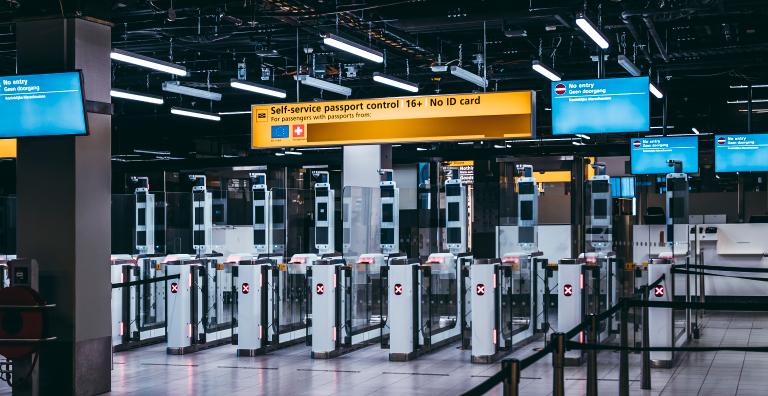
Here’s a complete, easy-to-understand breakdown of the EES system, what it means for you, how it works, and how to prepare—especially if Europe is on your itinerary for 2025 or beyond.
🌍 What Is the EU Entry/Exit System (EES)?
The Entry/Exit System (EES) is an automated IT system developed by the European Union to register travelers from non-EU countries every time they cross an EU external border.
Instead of relying on manual passport stamps, the EES will:
- Digitally record each entry and exit
- Track the duration of your stay
- Use biometric data (like fingerprints and facial recognition)
- Help enforce the 90/180-day rule for visa-free travelers
This system will apply to all travelers from visa-exempt third countries—that includes citizens of the U.S., UK, Canada, Australia, Japan, and others who don’t need a visa to visit the EU short-term.
🛂 Important: The EES is not a visa or replacement for ETIAS—it works alongside ETIAS, which is a separate authorization system launching soon.
📅 When Will the EES System Go Into Effect?
The EU’s EES launch was delayed several times, but as of now, it’s expected to be implemented by late 2025. The latest official estimates suggest Q4 2025, though the exact start date may vary depending on readiness at the borders.
✅ Keep checking the official EU or Schengen border websites before your trip to stay up to date with the rollout.
✈️ How Does the EES Work?
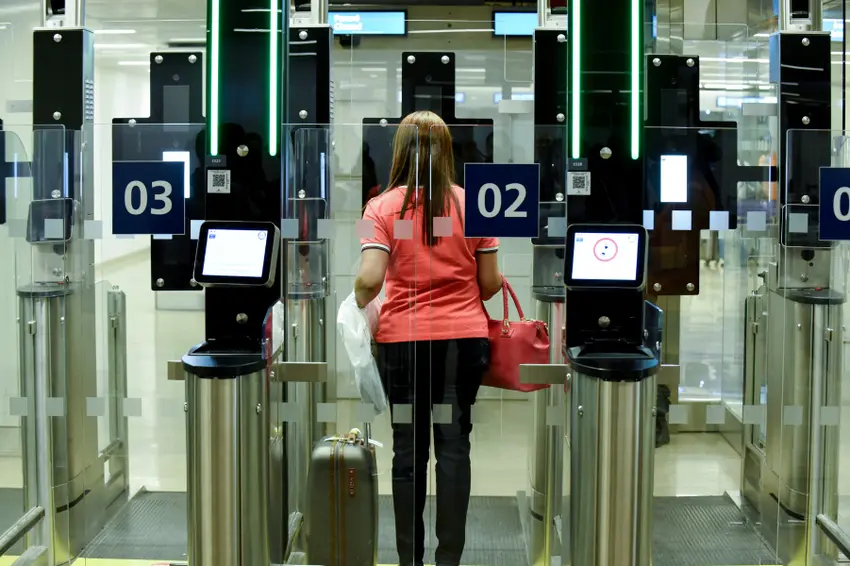
Instead of receiving a physical stamp when you enter or leave a Schengen country, your passport will be scanned, and the system will automatically register:
- Your name and travel document number
- The date and location of entry/exit
- Your biometric data (facial image and fingerprints)
- The length of your permitted stay
The system will then calculate your remaining days in the Schengen Zone, helping you comply with the 90 days in any 180-day period rule that applies to visa-free travelers.
🧠 The EES is designed to make border checks faster, smarter, and more secure, reducing fraud and improving record-keeping.
👤 Who Does EES Apply To?
EES applies to all third-country nationals (i.e., people from outside the EU/Schengen Area) who:
- Visit Schengen countries for short stays
- Are visa-exempt (like U.S. citizens)
- OR have a short-stay Schengen visa
This includes:
- Tourists
- Business travelers
- People visiting friends or family
- Transit passengers traveling through the EU
✋ If you’re an EU citizen, a resident of the EU, or traveling with a long-term visa or residency card, EES does not apply to you.
📸 What Biometric Data Is Collected?

As part of the EES process, the system collects:
- A facial image (photo taken at border control)
- Four fingerprints
This data is stored securely and used to confirm your identity each time you enter or exit a Schengen country.
🔒 The EU states this information will be stored in compliance with GDPR and used only for border management and security purposes.
🔄 What Happens If You Overstay?
One of the goals of the EES is to detect overstays more efficiently. In the past, it was hard to keep track of tourists who exceeded the 90-day limit, especially with inconsistent passport stamping.
With EES, overstays will be:
- Automatically flagged
- Potentially result in entry bans or fines
- Affect future applications for ETIAS, visas, or reentry
⛔ Tip: Always check your remaining days and make sure you exit the Schengen Area before your 90 days are up.
🧾 What’s the Difference Between EES and ETIAS?
There’s a lot of confusion between EES and ETIAS, so let’s break it down.
| Feature | EES | ETIAS |
|---|---|---|
| What it is | Entry/Exit Tracking System | Travel Authorization (like ESTA for the U.S.) |
| Who needs it | All visa-exempt and short-stay visa travelers | All visa-exempt travelers (U.S., Canada, etc.) |
| What it tracks | Your border crossing and biometric data | Your background/security clearance to enter |
| When to use it | At the border, each trip | Online application, before your trip |
| Launch Date | Expected by late 2025 | Likely around the same time (ETIAS is tied to EES) |
Bottom line: You’ll need to apply for ETIAS before you travel, and your entry/exit will be logged automatically via EES.
💡 How Should You Prepare for EES?
If you’re traveling to the EU/Schengen Area after the EES goes live, here’s how to be ready:
- Check your passport – Make sure it’s valid for at least 6 months beyond your travel date.
- Know your 90/180-day rule – Track how many days you’ve spent in Schengen countries within the last 180 days.
- Update your travel documents – Make sure your name and details are consistent across passports, bookings, and documents.
- Familiarize yourself with the process – Expect to provide fingerprints and have your face scanned.
- Arrive early at the airport – Border checks might take longer during the initial launch period.
✈️ Some travelers may experience delays or longer wait times as the system rolls out—especially at land borders and smaller airports.
🤖 What Does This Mean for Frequent EU Travelers?

If you travel often to Europe for business, long holidays, or family visits, the EES will make your travel history more visible. This is both helpful and a little stricter.
What to keep in mind:
- The system will track each entry and exit with exact dates and locations.
- You’ll be held accountable for not exceeding the 90-day limit, even if visiting multiple countries.
- If you’re nearing your limit, you may be denied entry automatically.
🧳 Consider applying for a national visa or residency if you plan to spend extended time in the EU regularly.
🙋 FAQ: EES for Travelers in 2025
❓ Is EES a visa?
No. EES is not a visa. It’s a border management system that records when and where you enter and leave the EU.
❓ Do I still need ETIAS if I’m using EES?
Yes. If you’re from a visa-exempt country, you’ll need to apply for ETIAS before your trip, then your travel will be recorded in EES upon arrival.
❓ Will I still get my passport stamped?
No. One of the main goals of EES is to replace manual passport stamps with a digital record. Once it’s fully rolled out, physical stamps will no longer be used.
❓ What if I refuse to give my fingerprints?
Biometric data collection is mandatory under EES for non-EU citizens entering the Schengen Area. Refusing may result in denied entry.
❓ How long is biometric data stored?
According to EU regulations, data is stored for 3 years for regular travelers, and 5 years for overstay or refusal cases.
🏁 Final Thoughts: EES Is a Big Change—but a Smart One

The EU Entry/Exit System (EES) might sound a bit intimidating at first, especially if you’re used to simple passport stamps. But in reality, it’s a major upgrade for traveler convenience, border security, and rule enforcement. It’s designed to make the process faster, fairer, and more modern.
If you’re planning to visit Europe in 2025 or beyond, make sure you understand how the system works, know your travel limits, and stay informed as the rollout gets closer.
It’s all part of the EU’s move toward smarter, digital-first borders, and while there might be a few growing pains early on, it should ultimately make travel smoother and safer for everyone.