Let’s face it—travel isn’t always glamorous. From red-eye flights to questionable hostel showers, the road can be full of surprises. But perhaps the most unpleasant surprises come in the form of tiny, uninvited guests—pests like bedbugs, ticks, and parasitic worms
While it’s easy to shrug off these creatures as rare or overblown threats, the reality is that they can be an unfortunate part of travel life—especially when you’re exploring remote locations, hiking through the wilderness, or staying in budget accommodations.

The good news? With a little knowledge and a few precautions, you can avoid most pest problems and enjoy your trip worry-free. Here’s everything you need to know about dealing with bedbugs, ticks, worms, and other creepy-crawlies while traveling—what to watch for, how to prevent bites and infestations, and what to do if they catch you off guard.
🛏️ Bedbugs: The Unwanted Hotel Guests
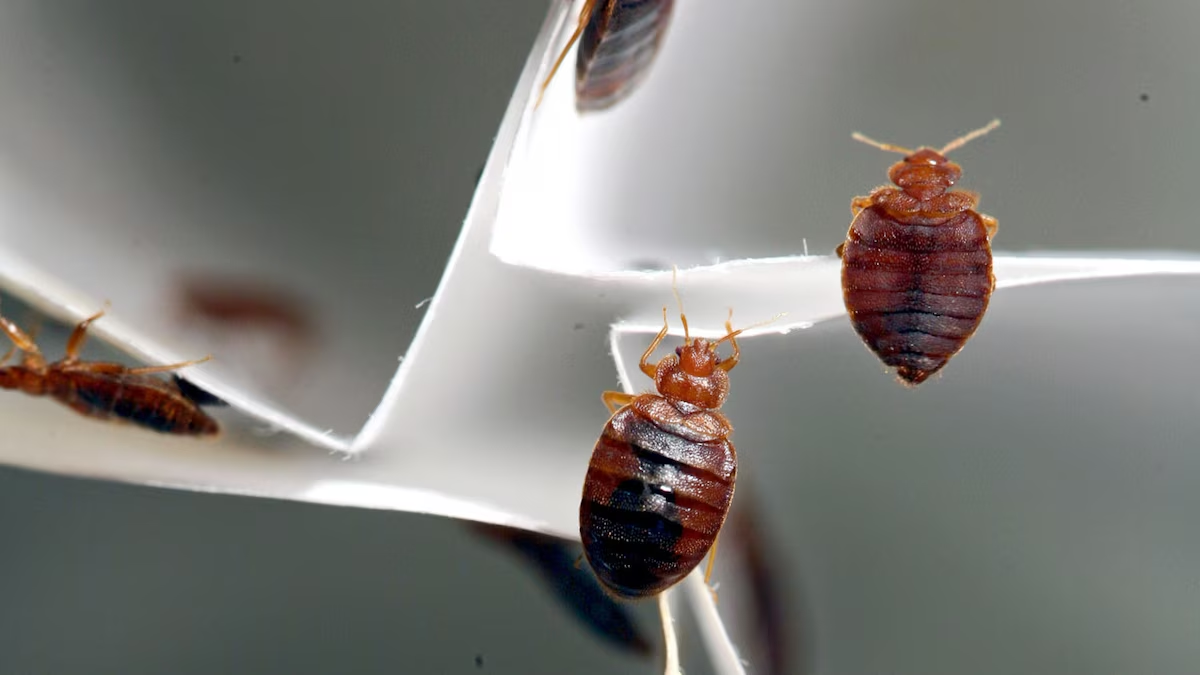
Let’s start with the infamous bedbug. These tiny, reddish-brown insects live in mattresses, bed frames, and furniture. They’re nocturnal, feed on human blood, and leave behind itchy red bites, often in a line or cluster.
How to spot them:
- Look for small rust-colored spots on bedding (bedbug feces or crushed bugs)
- Check seams, mattress tags, and behind headboards
- You may even spot live bugs—about the size of an apple seed
Where bedbugs are found:
- Budget hotels, hostels, and guesthouses
- High-turnover lodgings (yes, even fancy ones!)
- Buses, trains, and airplanes (rare, but possible)
- Luggage racks, furniture, or shared closets
How to protect yourself:
- Inspect your bed before unpacking
- Keep luggage off the floor—use metal racks or hard surfaces
- Use a bedbug-proof travel sheet or liner
- Store clothes in seal-tight plastic bags
- Wash your travel clothes in hot water and high heat when you get home
What to do if you get bitten:
- Bedbug bites are usually harmless but itchy—treat with hydrocortisone cream or antihistamines
- Avoid scratching to reduce the risk of infection
- If you brought bedbugs home, call a licensed pest control service ASAP
🛑 Pro Tip: Don’t let embarrassment delay action. Bedbugs aren’t about cleanliness—they’re opportunists that spread via travel bags and clothes.
🐜 Ticks: Small Bite, Big Risk
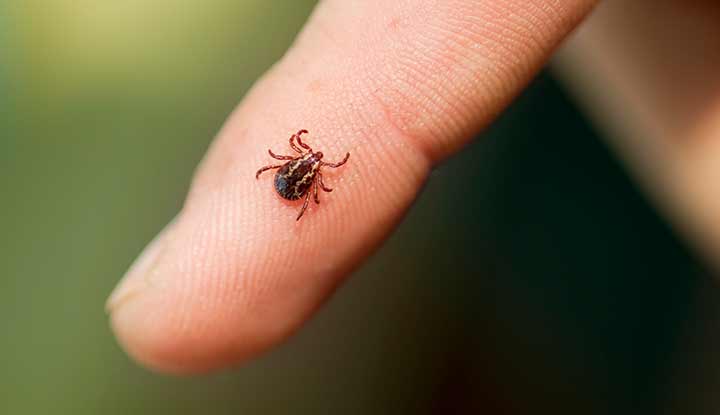
Ticks are tiny arachnids that latch onto your skin and feed on blood. They’re commonly found in grassy or wooded areas and can carry serious diseases like Lyme disease, Rocky Mountain spotted fever, or tick-borne encephalitis, depending on the region.
Where ticks are common:
- North America (Lyme disease in the northeast and Midwest U.S.)
- Central and Eastern Europe
- Forested or grassy hiking trails worldwide
- Rural and agricultural areas in various climates
How to avoid ticks:
- Wear long sleeves and pants, preferably tucked into socks or boots
- Stick to center paths and avoid brushing against vegetation
- Use insect repellents with DEET, picaridin, or permethrin-treated clothing
- Wear light-colored clothing so ticks are easier to spot
How to check for ticks:
- Do a full-body scan at the end of each hike, especially:
- Behind knees
- In hair or along the scalp
- Under arms
- Around the waistline
- Check your gear and pets too!
If you find a tick:
- Use fine-tipped tweezers to grab it as close to your skin as possible
- Pull upward slowly—don’t twist or jerk
- Clean the area with alcohol or soap and water
- Save the tick in a sealed bag in case you need to get it tested
⚠️ Watch for signs of illness afterward—fever, fatigue, muscle aches, or a bullseye rash—and see a doctor if symptoms appear within 2–30 days.
🪱 Parasitic Worms: The Invisible Hitchhikers

Worms are a more hidden risk that travelers can pick up, especially in tropical or developing regions. The most common types of parasitic worms include roundworms, hookworms, tapeworms, and threadworms, often contracted through contaminated food, water, soil, or insect bites.
Where worm infections are common:
- Sub-Saharan Africa, Southeast Asia, and Latin America
- Rural or low-sanitation regions
- Areas with untreated drinking water or food
How they spread:
- Drinking or swimming in contaminated water
- Walking barefoot in contaminated soil
- Eating raw or undercooked meat or seafood
- Poor hand hygiene or unwashed fruits/vegetables
Symptoms to watch for:
- Unexplained fatigue
- Weight loss or poor appetite
- Stomach pain, bloating, or diarrhea
- Itching around the anus (especially at night)
- Visible worms in stool (yep—it happens)
How to avoid worms:
- Drink only bottled or purified water
- Peel fruit and avoid raw salads in suspect areas
- Wear shoes or sandals outdoors—even on the beach!
- Wash hands frequently with soap or sanitizer
- Avoid eating undercooked meat or fish
🩺 If you suspect a worm infection, see a doctor. Many are treatable with a single dose of antiparasitic medication like albendazole or mebendazole.
🦟 Other Common Travel Pests to Know About

While bedbugs, ticks, and worms get the most attention, there are a few bonus pests travelers should be aware of depending on where you’re headed.
Sandflies:
- Found in tropical and desert areas
- Can transmit Leishmaniasis, a serious skin or organ disease
- Protect yourself with DEET and by sleeping under nets
Fleas:
- Thrive in shared accommodations and may carry diseases
- Prevent bites by keeping your bedding and gear clean
Mosquitoes:
- Not just annoying—can carry malaria, dengue, Zika, and chikungunya
- Always use insect repellent, wear long sleeves, and sleep under a treated mosquito net when necessary
🦟 Traveling to high-risk mosquito regions? Ask your doctor about malaria prophylaxis before departure.
🔄 What to Do If You Think You’ve Brought Pests Home

It happens. You might come home from a trip with more than just souvenirs. Here’s how to handle it:
Step 1: Isolate and inspect
- Keep your luggage and clothes outside or in a garage
- Inspect seams, zippers, and folds for bugs
- Shake out everything before bringing it indoors
Step 2: Wash and heat
- Launder all clothes, even unworn ones, in hot water
- Dry on high heat for at least 30 minutes to kill bedbugs or eggs
Step 3: Vacuum and monitor
- Vacuum your bags, floors, and soft furniture
- Use bedbug traps or insect monitors to catch early signs
Step 4: See a doctor if needed
- If you’re feeling unwell or notice ongoing bites, rashes, or digestive issues, make an appointment
- Be honest about your travel history—it’ll help get the right treatment fast
❓ FAQ: Traveling and Dealing With Pests
❓ Are bedbugs dangerous?
They’re not known to spread disease, but bedbugs can cause itchy bites, allergic reactions, and sleepless nights. The psychological stress is real too.
❓ Should I get any vaccines to prevent parasites or insect-borne illness?
Yes, depending on where you’re going. Talk to a travel health clinic about vaccines for:
- Hepatitis A
- Typhoid
- Yellow fever
- Japanese encephalitis
- Rabies (in high-risk areas)
❓ Can I bring bugs home in my backpack?
Absolutely. Bedbugs especially love to hide in seams, zippers, and fabric folds. Always inspect and wash your gear thoroughly after traveling.
❓ How can I avoid catching worms?
It comes down to good hygiene and clean food. Drink bottled water, don’t walk barefoot in suspect areas, and wash your hands regularly.
❓ Should I cancel my trip over pest concerns?
Not at all! Just be smart and prepared. The risks are manageable, and awareness is your best defense.
🧳 Final Thoughts: Don’t Fear the Bugs—Just Be Ready
Pests may not be the most glamorous travel topic, but being aware of them is part of being a savvy, safe, and healthy traveler. Bedbugs, ticks, and worms can certainly ruin a trip if ignored—but with the right precautions, they’re totally avoidable.
Pack smart. Know what to look for. Take a few easy steps before, during, and after your trip, and you’ll likely never have to deal with these pests at all.
So go ahead—book that jungle trek, desert safari, or backpacker hostel adventure. Just bring some bug spray, a little awareness, and a healthy dose of caution.