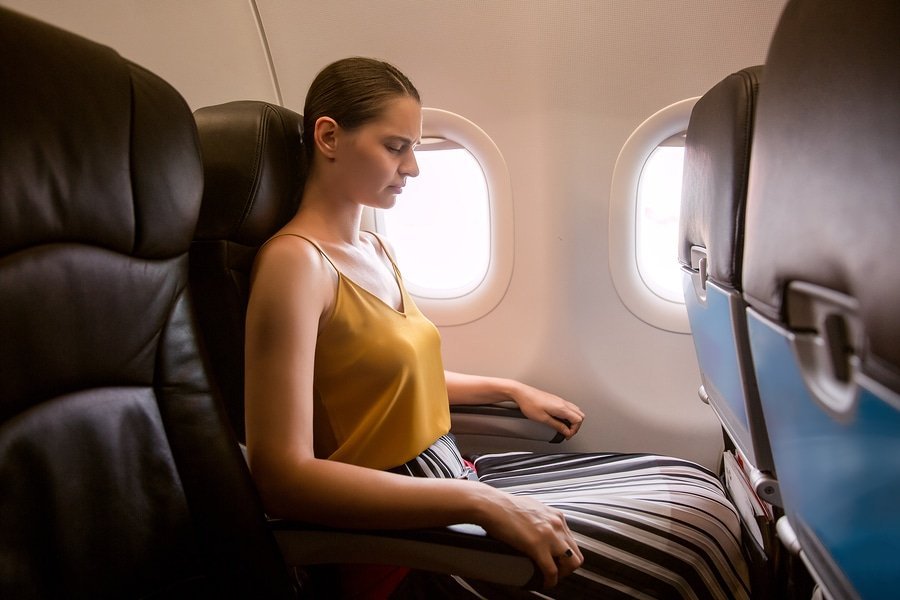
Afraid of Flying? Here Are 7 Tricks to Help You Manage Your Anxiety
Let’s be honest—flying isn’t easy for everyone. While some people settle into their seat, grab a snack, and enjoy the view, others feel their heart race the second they board the plane. If that sounds familiar, you’re not alone. Fear of flying—also known as aviophobia—is extremely common, affecting millions of travelers every year.
The good news? You can manage it. With the right mindset and a few tried-and-true techniques, you can ease your anxiety and actually feel more comfortable (even confident!) while flying. Whether your fear stems from turbulence, claustrophobia, fear of heights, or just a general sense of not being in control, there are tools that can truly help.

Here’s your complete, practical guide to overcoming flight anxiety—with 7 simple but powerful tricks that can make a big difference.
✈️ First: Understand Why You’re Anxious About Flying
Before we get into solutions, it helps to understand what’s really going on in your mind when flying triggers anxiety.
Common sources of flight anxiety include:
- Fear of crashing, even though statistically flying is one of the safest modes of travel
- Turbulence, which can feel alarming but is actually very normal
- Fear of enclosed spaces (claustrophobia)
- Lack of control—you’re not in the driver’s seat
- Media influence, such as dramatic news stories or disaster movies
- Past bad experiences, even if minor
Understanding your personal triggers is the first step to managing them. Once you identify what makes you nervous, you can start to take back control using the strategies below.
🧠 1. Reframe Your Thoughts with Facts

One of the biggest anxiety fuels? Your thoughts. And more often than not, those thoughts are exaggerated or based on fear rather than facts.
Here’s the reality:
- Flying is statistically the safest form of transportation
- Commercial pilots undergo rigorous training and continual re-certification
- Planes are maintained to extremely high standards and are checked before every flight
- Turbulence is normal and not dangerous—think of it like bumps on a road
🧠 Try this mental trick: When anxious thoughts show up, answer them with facts. If you think, “This turbulence means we’re in danger,” respond with, “Nope, this is just like potholes on a highway. The plane is built for this.”
💨 2. Practice Controlled Breathing
When you’re anxious, your body responds physically—your heart rate climbs, your breathing gets shallow, and your muscles tense up. The best way to calm that? Breathing.
A few minutes of intentional breathing can slow your heart rate, relax your body, and even signal to your brain that everything is okay.
Try this breathing exercise:
- Inhale slowly for 4 counts
- Hold for 4 counts
- Exhale for 6 counts
- Repeat for 1–2 minutes
📱 Apps like Calm, Headspace, and Breethe offer guided breathing exercises perfect for flights.
🎧 3. Distract Your Mind With Entertainment

Distraction is a powerful tool. When your mind is focused on something enjoyable, it has less bandwidth to spiral into anxiety.
Before your flight, prepare:
- Download your favorite shows, movies, or podcasts
- Bring a puzzle game or e-book
- Make a calming playlist with music that relaxes you
- Use noise-canceling headphones to block out plane sounds
🎧 Pro Tip: Try watching something comforting—something you’ve seen before that feels familiar and safe. It can offer a subtle sense of control and relaxation.
🪑 4. Choose the Right Seat
Your seat on the plane can make a huge difference when you’re anxious. Choosing a spot that feels more comfortable or secure can ease stress significantly.
Tips for choosing your seat:
- Window seat: Helps if you like looking out or need a distraction
- Aisle seat: Best if you get claustrophobic or want easy access to the bathroom
- Front of the plane: Quieter, less turbulence
- Over the wing: Feels more stable during flight
✈️ Use seat selection tools like SeatGuru to preview the layout and choose your best fit.
🧘 5. Use Grounding Techniques Mid-Flight
When your mind starts spiraling mid-flight, grounding exercises can pull you back to the present and reduce panic.
Try the 5-4-3-2-1 method:
- 5 things you can see (your seatbelt, the window, other passengers)
- 4 things you can touch (your armrest, your clothes, your seat)
- 3 things you can hear (engine noise, announcements, music)
- 2 things you can smell (your snack, the air)
- 1 thing you can taste (water, gum)
This technique works because it shifts focus to your senses, anchoring you to reality instead of fear.
💊 6. Consider Talking to a Professional
If your anxiety is severe, or if flying is something you absolutely dread, it might be time to speak with a professional. There’s no shame in getting help, and the results can be life-changing.
- Cognitive Behavioral Therapy (CBT) is especially effective for fear of flying
- Therapists can help you reframe anxious thoughts and develop coping skills
- In some cases, a doctor may recommend temporary anti-anxiety medication for flights
🩺 If you’re considering medication, talk to your doctor well in advance so you can test the medication before your trip.
✍️ 7. Prepare a Flight Plan (Not for the Pilot—For You!)
Having a personal “flight plan” gives you structure and reassurance. The more prepared you feel, the more control you regain.
Build your in-flight anxiety kit:
- 🎧 Noise-canceling headphones
- 📖 Book or Kindle
- 🍬 Mints or gum
- 🎵 Playlist or guided meditation
- 🧦 Cozy socks or a scarf
- ✍️ Journal to jot down calming thoughts
- 💦 Water bottle
- 🛏 Eye mask and travel pillow
Create a checklist of what works for you—every person is different. The act of planning alone helps reduce pre-flight stress.
✨ Extra Tips to Keep in Mind
- Arrive early at the airport – Rushing only adds more anxiety
- Let the flight attendants know if you’re nervous—they’re trained to help
- Stay hydrated and skip caffeine or alcohol, which can worsen anxiety
- Eat something light before the flight to keep blood sugar stable
🙋♀️ FAQs: Managing Flight Anxiety in 2025
😰 Is fear of flying normal?
Yes! It’s extremely common. Millions of people experience some level of anxiety before or during a flight. You’re far from alone.
✈️ Is turbulence dangerous?
No. Turbulence might feel scary, but it’s a normal part of flying and is rarely dangerous. Planes are designed to handle far more than anything they encounter in flight.
🧘 Are there any apps that help with flight anxiety?
Absolutely! Try:
- Calm
- Headspace
- SOAR (Fear of Flying app)
- SkyGuru – Created by pilots, it explains what’s happening in real-time
💊 Should I take medication for flight anxiety?
That depends on your situation. Some people benefit from a low-dose anxiety medication for flying. Always consult your doctor first.
🌐 Can I take an online course to overcome fear of flying?
Yes! Programs like Fearless Flight, SOAR, and Flying without Fear (Virgin Atlantic) offer online tools, videos, and expert guidance to help conquer flight phobia.
🛬 Final Thoughts: You’re Braver Than You Think
If you’re afraid of flying, that fear is completely valid—but it doesn’t have to control your travel dreams. You’re not weak for being nervous, and you’re definitely not alone. Millions of travelers have faced their flight anxiety and come out stronger, more confident, and even excited to take off again.
Remember: anxiety is a feeling—not a fact. And with a few powerful tools, a solid plan, and the right mindset, you can not only survive your next flight—you might actually enjoy it.
So the next time you board a plane, take a deep breath, put on your favorite playlist, and remind yourself: you’ve got this.