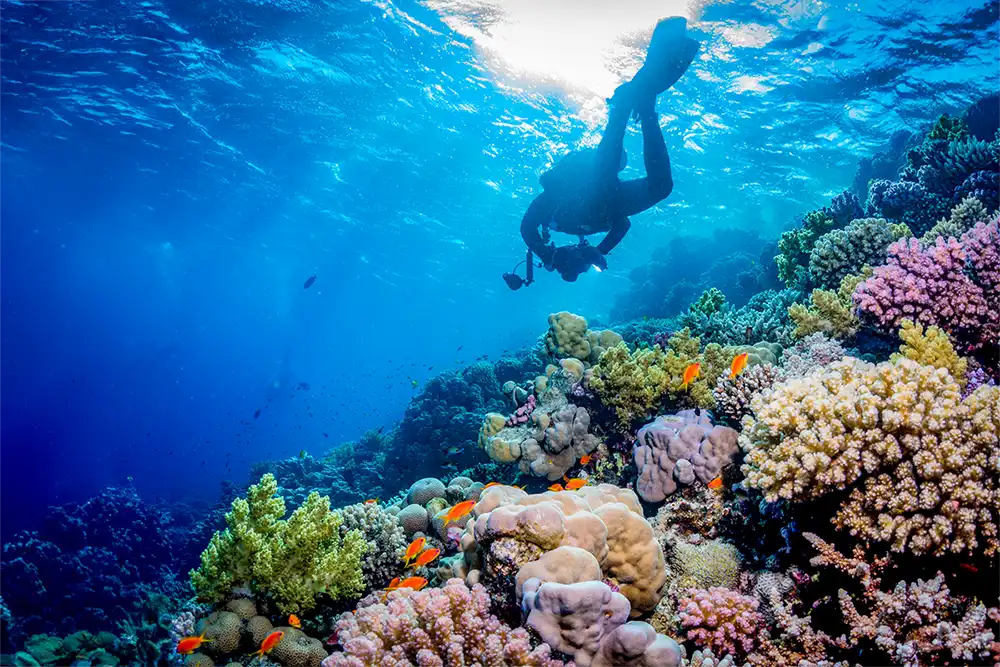

10 Best Scuba Diving Spots in Ecuador: Dive into the Depths
Scuba diving is not just a hobby for us—it’s a passion. Since we took our PADI certification with Tortuga Divers in 2015 when we moved to Ecuador, we’ve dived in some of the most stunning locations around the world. From the Galápagos Islands to Thailand, Greece, and the Cayman Islands, we’ve had the privilege to explore vibrant underwater worlds.
In this guide, we’ll take you through some of the best places to scuba dive in Ecuador, some of which we’ve already experienced, while others come highly recommended by fellow divers. Let’s dive in!
10. Isla de la Plata, Manabí
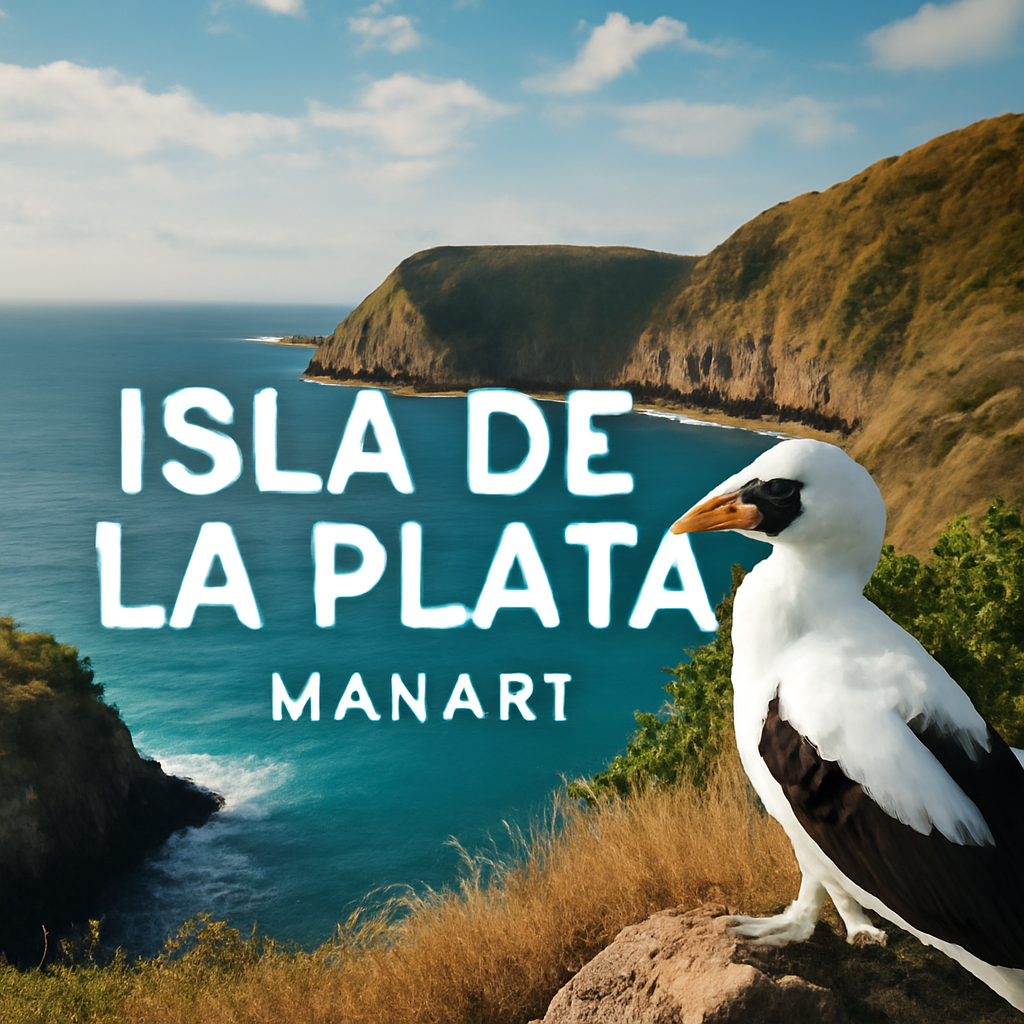
What you can see:
- Blue-footed boobies
- Frigates
- Lobsters
- Octopuses
- Turtles
- Moorish Idols
- Pelicans
- Parrots
Located off the coast of Manabí, Isla de la Plata is sometimes referred to as the “poor man’s Galápagos” for its rich marine life. Here, you can expect to swim alongside sea turtles, see unique marine birds like blue-footed boobies, and explore colorful coral reefs.
Tip: Don’t miss out on the chance to spot Mola Mola (sunfish) and manta rays on your dives!
9. Isla Salango, Manabí
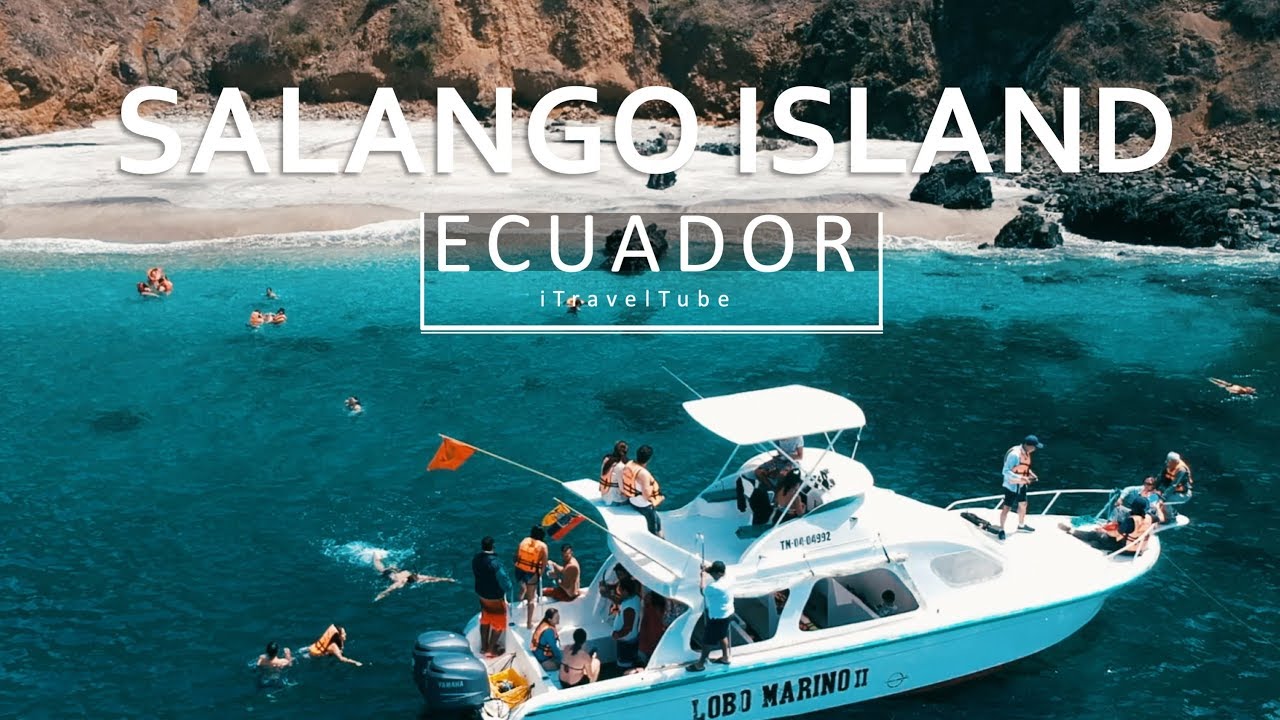
What you can see:
- Lobsters
- Octopuses
- Bluestripe snappers
- Angelfish
- Surgeonfish
- Moray eels
- Sergeant major fish
- Dorado fish
- Blowfish
Isla Salango, another hidden gem in Manabí, offers a diverse underwater ecosystem. It’s a great spot to explore vibrant fish species, including Angelfish and Dorado, as well as the occasional moray eel or octopus hiding among the rocks. The clear waters here make for excellent diving conditions, especially for beginner divers.
8. Islote Horno de Pan, Manabí
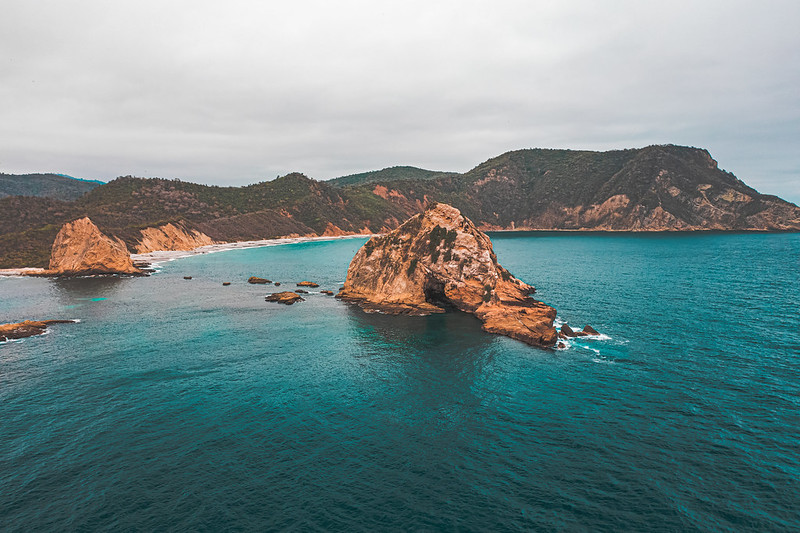
What you can see:
- Colorful fishes
- Turtles
- Rays
- Eels
- Starfish
- Octopus
This tiny island off the coast of Manabí is perfect for those looking for an intimate diving experience. With calm, warm waters and a rich variety of marine life, you’ll encounter everything from starfish to octopuses as you explore its colorful coral reefs. The island is known for being quieter, making it a great option for divers seeking a peaceful, undisturbed underwater experience.
7. Islote El Ahorcado, Manabí

What you can see:
- Colorful fishes
- Turtles
- Rays
- Eels
- Starfish
- Octopus
Islote El Ahorcado offers a similar dive experience to Horno de Pan, where you’ll find a rich diversity of marine life. Here, you can swim alongside turtles, rays, and an array of colorful fish species. The clear waters allow for stunning visibility, making it a great spot for underwater photography.
6. El Pelado Island, Ayangue
What you can see:
- Lobsters
- Octopuses
- Moorish idols
- Yellowtail
- Snappers
- Angelfish
- Surgeonfish
- Parrotfish
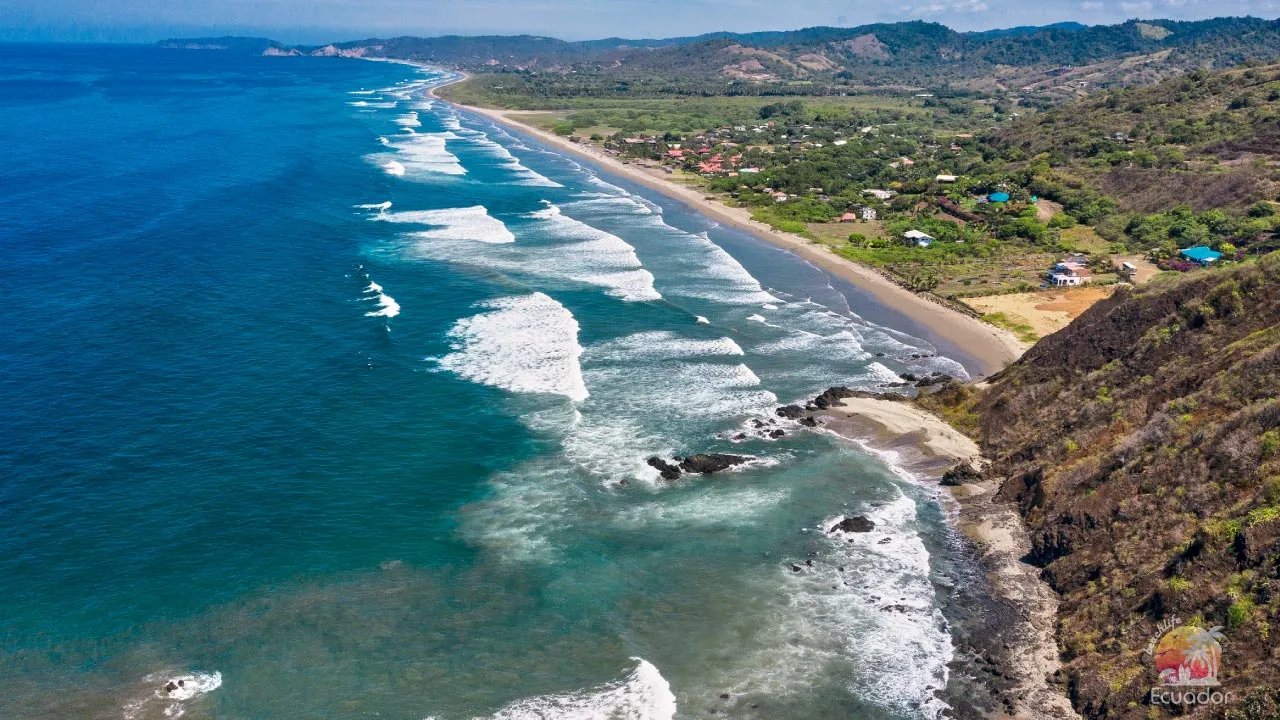
El Pelado is a must-visit for divers in Ayangue, located on Ecuador’s Pacific coast. The waters here are teeming with marine life, including lobsters, moray eels, and parrotfish. It’s also a wonderful place to experience vibrant coral gardens and a variety of colorful fish species. It’s one of the best dive spots for a relaxed and immersive underwater experience.
5. León Dormido (Kicker Rock), Galápagos Islands

What you can see:
- Turtles
- Hammerhead sharks
- Eagle rays
- Porcupine fish
- Reef sharks
- Starfish
León Dormido, also known as Kicker Rock, is one of the most iconic dive sites in the Galápagos Islands. This site is famous for its dramatic rock formations and the abundant marine life that calls it home. Divers can encounter hammerhead sharks, eagle rays, and reef sharks in these waters. It’s a spot for more experienced divers due to the currents, but it’s definitely worth the effort.
4. Gordon Rocks, Galápagos Islands

What you can see:
- Golden rays
- Eagle rays
- Barracudas
- Sea turtles
- Hammerhead sharks
- Mobula rays
Gordon Rocks is a top dive spot in the Galápagos that’s famous for its incredible biodiversity. Here, you can swim with schooling hammerhead sharks, barracudas, and mobula rays. The diving here can be challenging due to strong currents, but the opportunity to witness such a wide variety of marine life makes it an unforgettable experience.
3. Bajo Cope, Manabí
What you can see:
- Turtles
- Giant manta rays
- Eagle rays
- Snappers
- Grouper
- Octopus
- Vibrant coral reefs
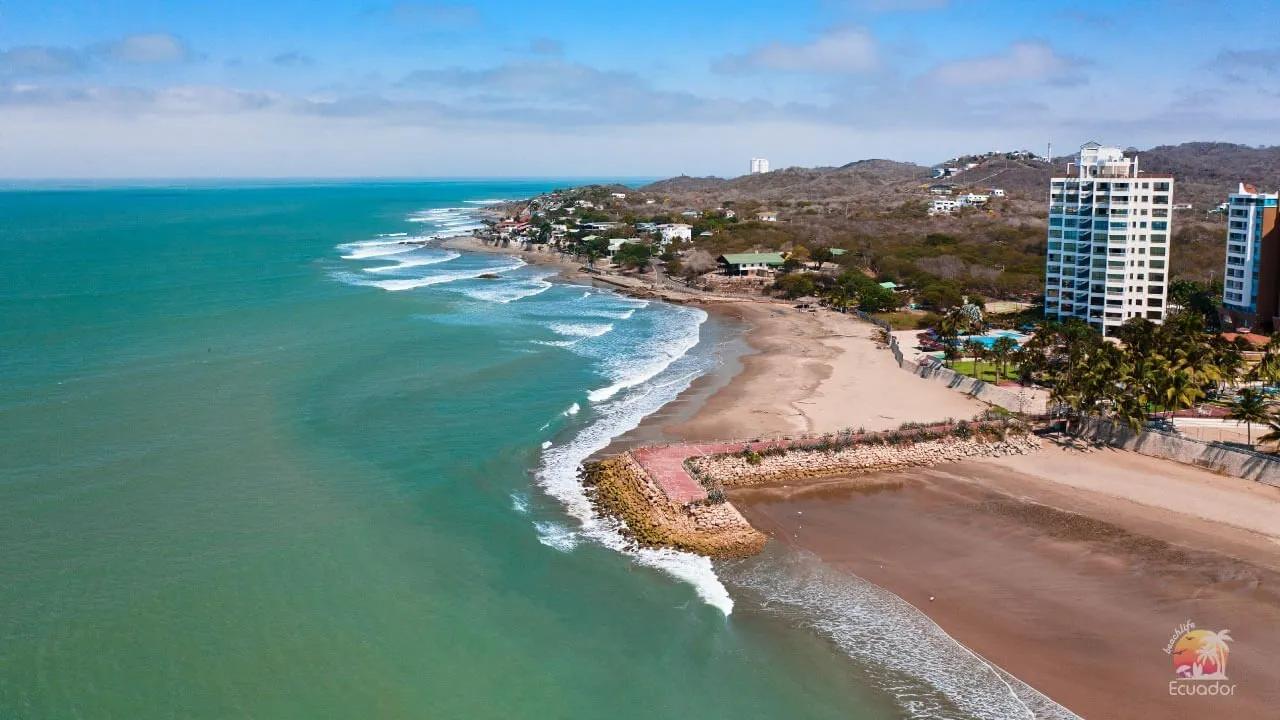
Bajo Cope is another fantastic dive site in Manabí, known for its spectacular underwater landscapes. It’s the perfect spot to see manta rays, sea turtles, and a variety of snappers and groupers. The best time to visit is between July and October, when the giant manta rays are most abundant.
Tip: Always keep an eye on your surroundings, as these waters are home to several different species of rays!
FAQs:
Q1: When is the best time to visit Ecuador for scuba diving?
The best time to dive in Ecuador is from June to November when the waters are calmer, and the visibility is ideal. However, some sites, like Bajo Cope, are best visited during July to October to see the giant manta rays.
Q2: Do I need a diving certification to dive in Ecuador?
Yes, most dive shops in Ecuador require you to have a PADI certification for open water dives. If you’re not certified, you can take a beginner course before diving.
Q3: What should I bring for a diving trip in Ecuador?
Bring your own mask, snorkel, fins, and underwater camera if you have one. While some dive shops provide gear, having your own ensures comfort and better fit. Don’t forget to pack reef-safe sunscreen!
Q4: Are the dive sites in Ecuador suitable for beginners?
Yes, many of the dive sites, such as Islote Horno de Pan and Isla Salango, are great for beginners. However, some sites, like Gordon Rocks and León Dormido, are better suited for advanced divers due to stronger currents.
Q5: Can I dive in the Galápagos Islands year-round?
Yes, the Galápagos Islands offer year-round diving, though the best conditions for visibility and marine life are from June to November. Keep in mind that water temperatures can vary, and currents can be strong.
Conclusion: Europe Has It All
From romantic Paris to historic Rome and vibrant Berlin, Europe offers something for every traveler. Whether you’re looking for history, stunning landscapes, or delicious food, these 15 cities are some of the best destinations to explore in 2019. No matter what type of traveler you are, these cities will offer memories you’ll cherish for a lifetime.